














Best Products for Hyperhidrosis: Effective Ways to Deal with Excessive Sweating
Struggling with hyperhidrosis, the challenging and often distressing condition characterized by excessive sweating? Know that your experience is not isolated. Each person's path with hyperhidrosis is unique, yet all share the common aim of seeking relief and regaining a sense of control.
This article aims to provide a detailed overview of the most effective solutions, tailored for different body areas. We will delve into the pros and cons of each product and treatment, including a close examination of various iontophoresis brands, helping you make an informed decision.
Stay with us as we explore the best product for hyperhidrosis, enhancing your confidence and quality of life.
Hyperhidrosis Explained: Primary vs. Secondary Types
Struggling with hyperhidrosis, the challenging condition characterized by excessive sweating, can be a deeply personal and often distressing experience. This excessive sweating occurs irrespective of temperature or physical activity, leading to potential social embarrassment and practical challenges in daily activities. Understanding the nature of hyperhidrosis is the first step in addressing it effectively.
Secondary hyperhidrosis on the other hand is often a more generalized form of sweating but can also be focal. It is caused by underlying medical conditions, medications or other causes. Defining your hyperhidrosis is important to know if there is an underlying cause to treat or if it is the primary hyperhidrosis itself that needs to be addressed.
This is a guide to treatments for primary hyperhidrosis. Our exploration focuses on the best products for hyperhidrosis, designed to bring you both comfort and confidence.
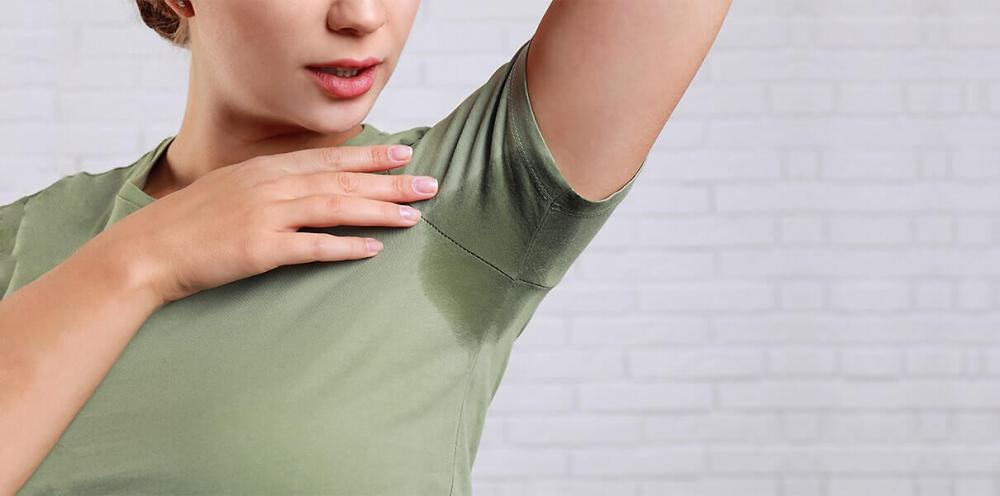
Exploring the Best Treatment Options for Hyperhidrosis - and Their Targeted Body Parts
Hyperhidrosis, commonly known as excessive sweating, can be a challenging and often distressing condition to manage. Fortunately, there are several effective treatment options available to help reduce and control symptoms.
Many people start with clinical-strength antiperspirants containing aluminium chloride, which work by temporarily blocking the sweat ducts.
Another widely used solution is iontophoresis, a clinically proven treatment that uses mild electrical currents to regulate sweat gland activity over time.
For more targeted areas, Botox injections can help reduce excessive sweating by temporarily blocking the nerves responsible for sweat production. Antihydral, a German cream originally developed for climbers, is also used by some individuals to manage sweating on the hands and feet.
In certain cases, oral medications or surgical treatments may be considered under medical supervision.
Lifestyle adjustments can also support symptom management, such as choosing breathable fabrics, reducing stress levels, and limiting triggers like spicy foods.
By exploring different treatment options and finding the right approach, hyperhidrosis can be effectively managed. It is important to consult with a healthcare professional to determine the most suitable treatment plan and to rule out any underlying medical conditions.
5 Effective Solutions for Excessive Sweating
Antiperspirants
When it comes to managing hyperhidrosis, antiperspirants are often the first line of defence.
These are not typical deodorants; they are specifically formulated to reduce excessive sweating. While deodorants help mask or prevent body odor, they do not stop sweat production. Antiperspirants, on the other hand, often contain aluminium chloride, which works to block the sweat ducts. Over-the-counter options are available, but a doctor may prescribe higher concentrations, usually up to 20%, for more severe cases of hyperhidrosis.
When treating hyperhidrosis, it is important to use antiperspirants correctly and follow application instructions for the best results. Products such as Drysol or STOP 24 (known under different names depending on the country) are commonly used for underarm hyperhidrosis. Their active ingredients temporarily block the sweat glands, helping to reduce sweating for an extended period. However, individuals with sensitive skin may experience irritation.
It is essential that the skin is completely dry before application. If applied to damp skin, aluminium chloride can react with water and form hydrochloric acid (HCl), which may lead to skin irritation or, in some cases, chemical burns.
Body areas treated: underarms, hands, and feet. Some formulations, such as sprays, may also be suitable for use on the face, back, chest, and other areas depending on the product.
B. toxin Injections
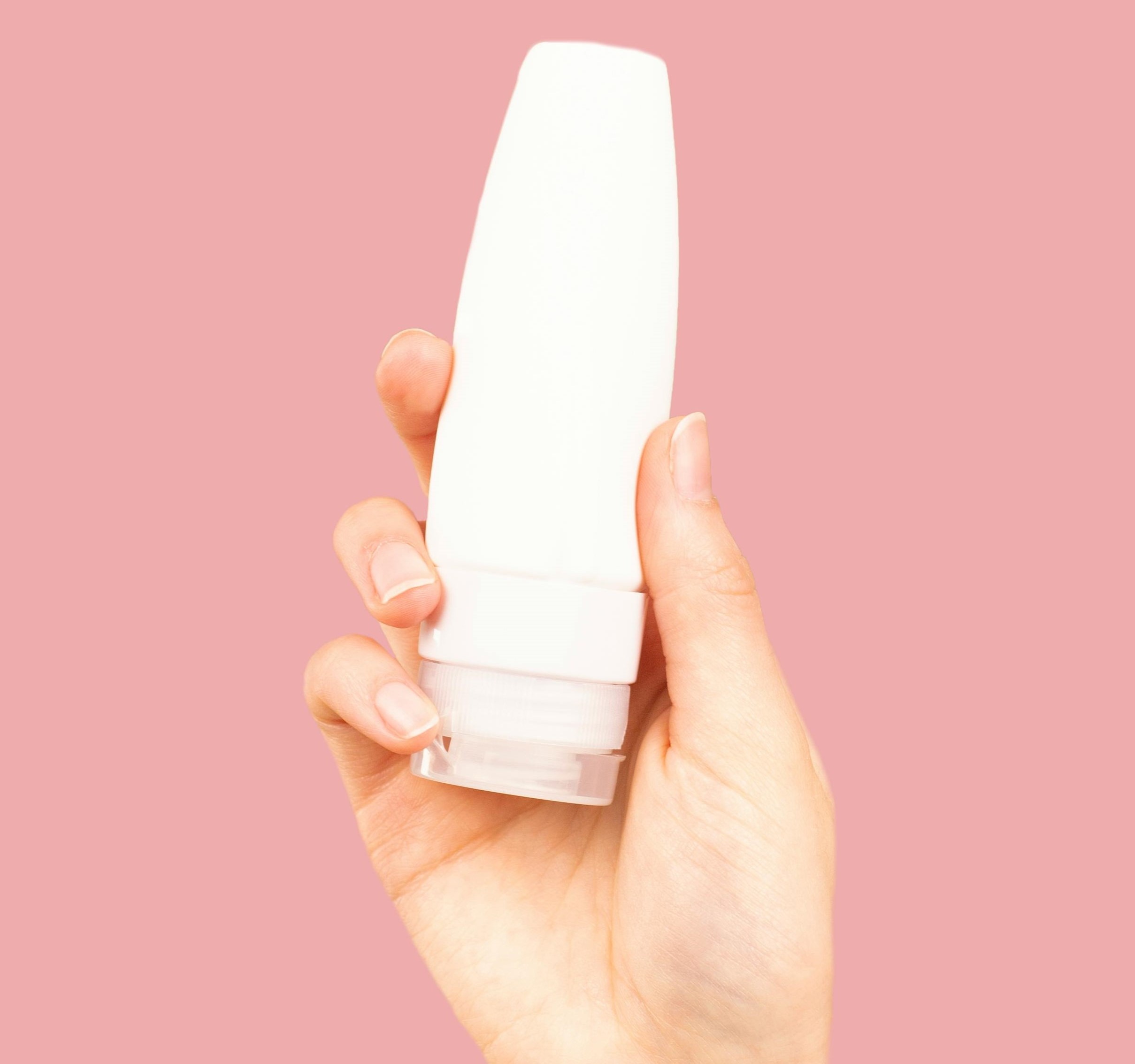
Botulinum toxin injections, a name more commonly associated with cosmetic procedures, has emerged as a groundbreaking treatment for hyperhidrosis. It works by temporarily blocking the chemical signals from the nerves that stimulate sweat glands. When these glands don’t receive the signals, the severe sweating stops.
The procedure involves multiple small injections in the affected areas, such as underarms, palms, or soles. It's particularly effective for localized hyperhidrosis and offers relief that can last for several months. Patients typically notice a significant reduction in sweating within 1-2 weeks of treatment.
However, these treatments do have their considerations. The procedure must be performed by a qualified medical professional, and the effects, while long-lasting, are not permanent. Repeat treatments are usually necessary every 3 to 12 months. Additionally, there might be some temporary side effects like soreness or bruising at the injection site. The treatment can also be painful with the proper anaesthetics. A weekend pincer grip or hanging eyebrows are associated with treating the palms and face respectively, in some cases.
Despite these factors, it still remains a popular choice for its efficacy and the relative quickness of the procedure. For those seeking an alternative to topical treatments or looking for more long-term solutions, B. toxin injections could offer the much-needed respite from the challenges of hyperhidrosis.
Body areas treated: all body parts with reservation of the risk of affecting muscle function in the face/hands especially.
Oral medications and creams
Beyond antiperspirants, a range of medications and creams provides more targeted options for managing hyperhidrosis. These treatments can be particularly beneficial for those whose condition isn't adequately controlled by topical solutions alone.
Oral medications play a crucial role in managing generalized hyperhidrosis. Medications like Oxybutynin work systemically, affecting the entire body, reducing overall sweat production. They are convenient but can have side effects ranging from dry mouth and blurred vision to urinary problems and even cognitive side effects, underscoring the importance of medical supervision and avoiding overuse. This treatment can be beneficial, but keep in mind that it requires a doctor's prescription.
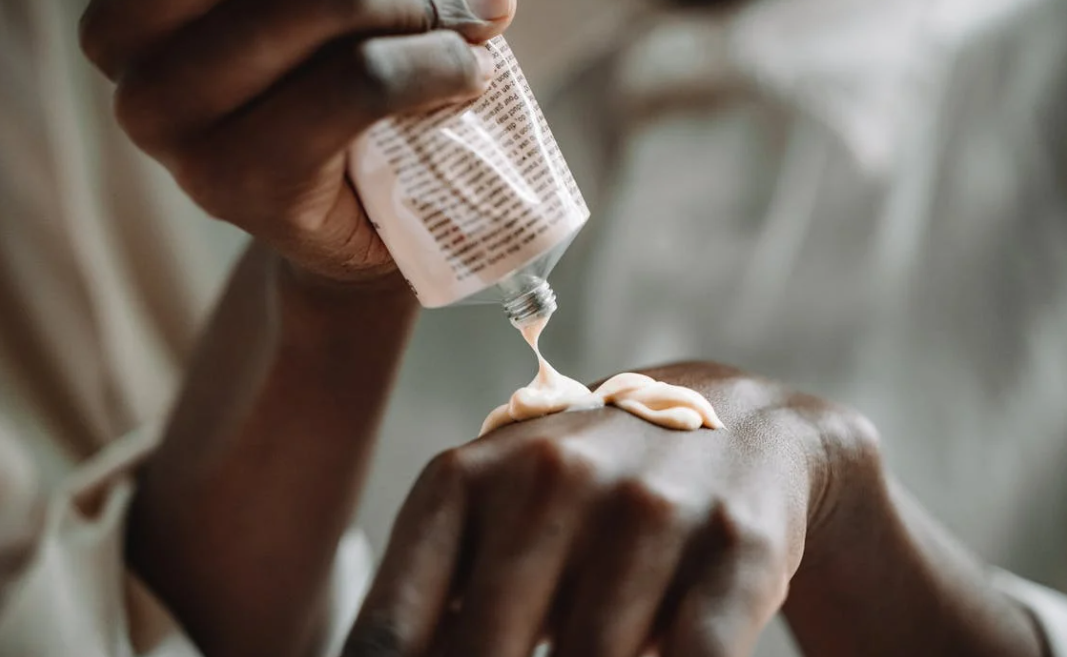
Additionally, creams like the german Antihydral have proven effective, especially for hyperhidrosis affecting the palms and soles. Antihydral, often recommended for its efficacy in reducing sweat production in these areas, works by creating a barrier on the skin's surface, thus reducing moisture. Although Antihydral cream is highly effective in treating hyperhidrosis of the hands and feet, adhering to the recommended application instructions is key to preventing skin irritation or excessive dryness. Another side effect from Antihydral cream is that the skin can become a little yellowish.
In conclusion, the use of medications and creams offers a good option to treating hyperhidrosis. It's crucial for individuals to consult healthcare professionals to determine the most suitable option based on the severity and location of their hyperhidrosis, and to understand the potential side effects and proper usage of these treatments.
Body areas treated: underarms, palms, and soles of the feet, though oral medications are mostly suitable for individuals experiencing generalized hyperhidrosis - characterized by sweating all over the body.

Iontophoresis Devices
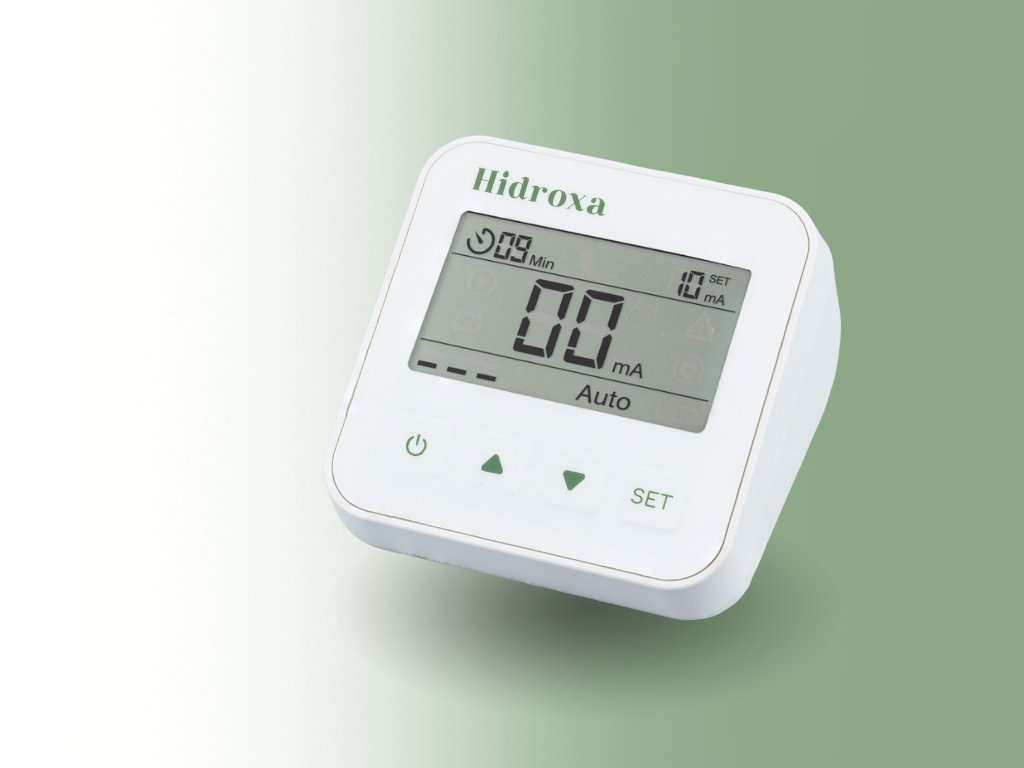
Iontophoresis devices offer a non-invasive and increasingly popular way to manage hyperhidrosis. These devices work by sending mild electrical currents through water to the skin, effectively reducing sweat production.
Iontophoresis is a straightforward process, and high-quality machines like Hidroxa and RA Fischer effectively accomplish this task. The primary benefits of our iontophoresis machine include:
- The Hidroxa model can reach up to 30 mA, making it one of the most potent iontophoresis machines currently available.
- A satisfaction rate of 98% among our customers, as evidenced by reviews on Trustpilot.
- An integrated timer and a safety feature that automatically ends treatment after 20 minutes to prevent overuse.
- Compliance with stringent medical and electrical safety standards, as indicated by the CE mark on our device.
- Flexibility for the user to choose between constant or pulsed current, catering to different preferences and needs.
- Endorsement by healthcare professionals, with the device being utilized in various clinics across the Nordic region.
In addition to providing a high-quality iontophoresis machine, we offer exceptional and personalized customer service. Our team, including Dr. Sandra Eriksson Mirkovic, ensures that our customers receive the best possible support and achieve satisfactory results. We believe this commitment to customer care sets us apart in the market.
Body areas treated: underarms, palms, feet and face

Anti sweat machine
Our Hidroxa SE30 iontophoresis machine is easy to use and clinically tested for treating excessive sweating of palms, feet, face, and armpits.
Iontophoresis is a scientifically proven method that works for approximately 95% of our customers. You can reach its full effect with 12 treatments.
Surgical Options and Natural Remedies
For those seeking a long-term solution, surgical options like Endoscopic Thoracic Sympathectomy (ETS) exist, though they are generally considered a last resort due to their significant side effects and invasive nature. Severe compensatory sweating on large areas of the body, different side pupils and other side effects can occur. While ETS has shown a high success rate in addressing severe hyperhidrosis, the potential for serious complications means it's typically reserved for patients who haven't responded to other treatments.
Similarly, surgical removal of sweat glands, once a more common practice, is now less frequently performed because of the risks involved. Permanent scarring, swelling and pain are potential side effects.
On the other hand, natural remedies and lifestyle modifications can offer a safer way to manage symptoms even though they are often non effective.
It's important to note that while these methods can be helpful, we generally advise against the invasive surgical procedure ETS due to the potential for serious side effects.
Body areas treated: underarms, palms, feet and face

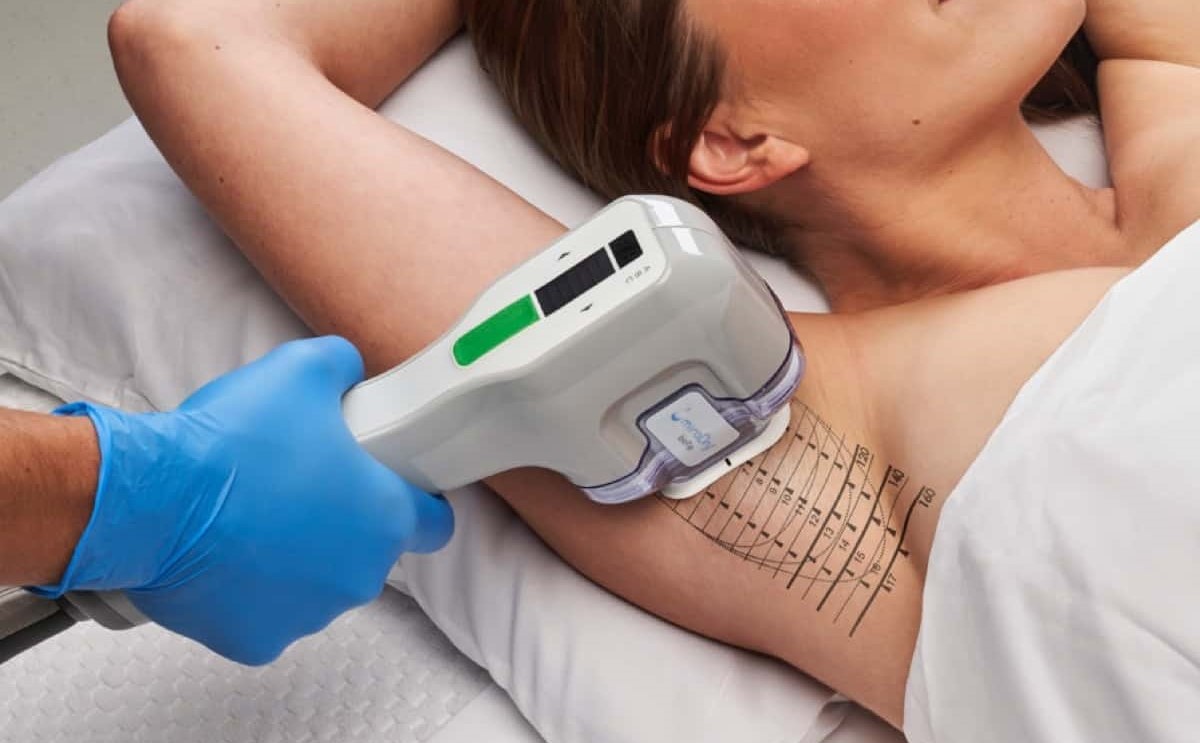
miraDry
MiraDry is an innovative, non-surgical treatment specifically targeting underarm hyperhidrosis. It utilizes thermal energy to permanently destroy sweat glands in the underarm area. This method offers long-term results, with many patients achieving substantial sweat reduction after just one or two sessions. The permanence of the results makes miraDry a highly sought-after solution for those with underarm sweating issues. While the procedure is generally safe, some patients may experience temporary side effects like localized swelling or tenderness and the effectiveness is still under discussion.
Body area treated: underarms
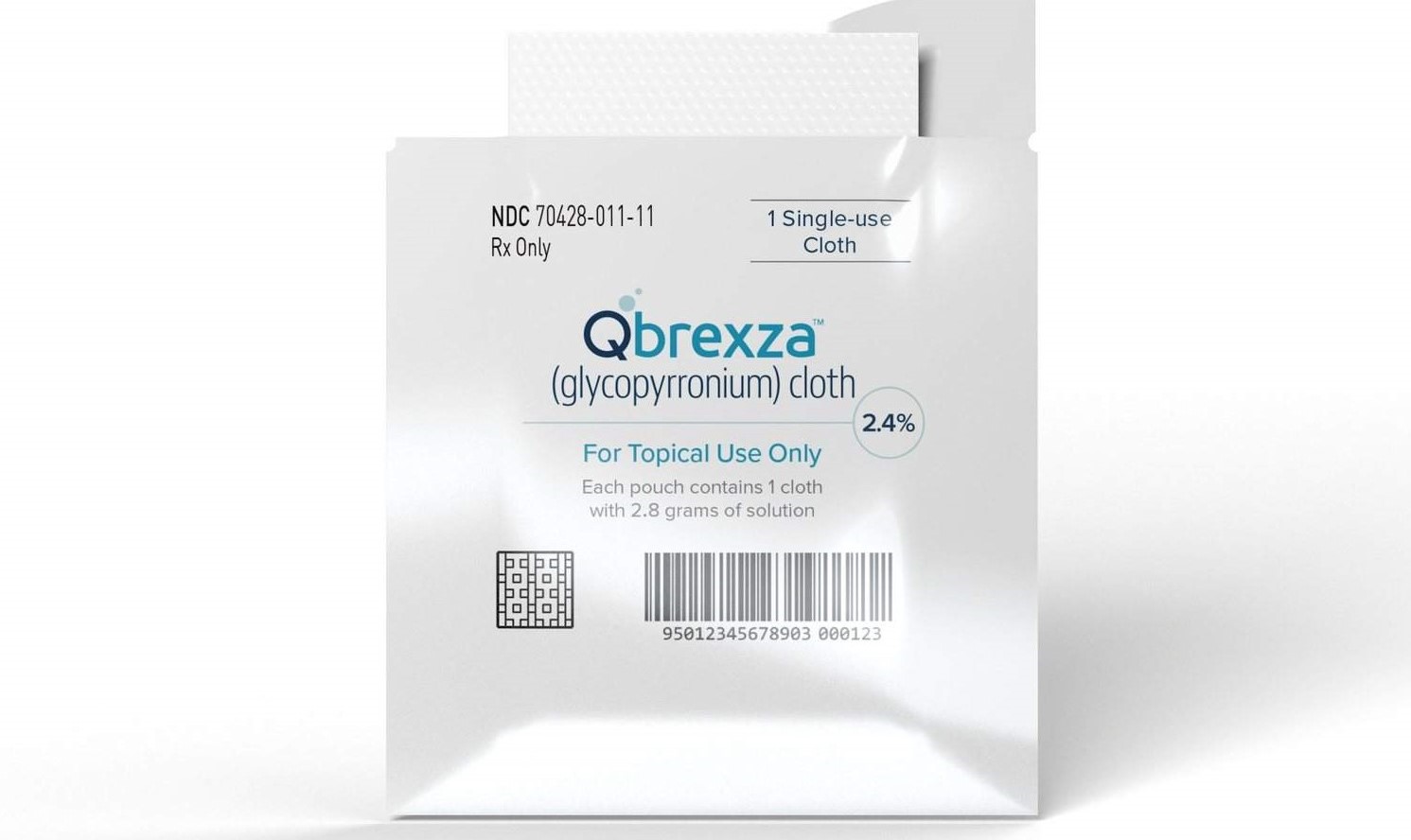
Qbrexza
Qbrexza is a topical approach to managing hyperhidrosis, particularly effective for underarm sweating. It comes as a medicated cloth, used daily by applying it to the underarms. The active component, glycopyrronium, targets sweat production at the skin's surface. Qbrexza is an excellent option for individuals looking for a straightforward, non-invasive treatment. However, it's important to be aware of possible side effects, including dry mouth, irritation in the throat, or skin reactions, which some users may experience.
Body area treated: underarms
Conclusion
In conclusion, finding the best treatment for hyperhidrosis is often a personal and sometimes challenging journey.
We understand the complexity of this condition, especially in cases of generalized hyperhidrosis, which can be more difficult to manage. In many situations, the goal is to reduce reliance on oral medications, as they may not always be effective or suitable for long-term use. Some individuals successfully manage symptoms by identifying triggers such as certain foods or stress levels. However, when it comes to treatment, a more targeted approach is often beneficial.
For localized excessive sweating, products such as aluminium chloride wipes (for example Perspirex or Sweat Stop) can be used on specific areas. Underarm hyperhidrosis may also be treated with options like miraDry or Qbrexza, while iontophoresis is a widely used and effective solution for sweating of the hands and feet.
The range of hyperhidrosis treatments is broad, including clinical-strength antiperspirants, medical treatments, advanced technologies, and in some cases surgical procedures. Consulting with a healthcare professional is essential to determine the most appropriate and effective treatment based on individual needs and symptoms.
With the right, tailored approach, managing hyperhidrosis becomes more achievable, helping improve daily comfort and overall confidence.
FAQ
Is there a cure for sweaty palms and feet?
While there is no definitive cure, several treatments can manage symptoms. These range from antiperspirants and medications to more advanced options like iontophoresis (a treatment that uses electrical currents to temporarily stop sweat glands) and B. toxin injections.
How common is hyperhidrosis?
Hyperhidrosis is more common than many people realize, affecting approximately 1-3% of the global population. While it may not always be openly discussed, it's a widespread condition that can significantly impact individuals' daily lives.
Can hyperhidrosis affect children and teenagers?
Yes, hyperhidrosis can affect individuals of all ages, including children and teenagers. While it can be distressing for young people to experience excessive sweating, there are treatment options available to help manage symptoms and improve their quality of life.
Can hyperhidrosis affect other parts of the body besides the hands and feet?
Yes, while sweaty palms and feet are the most common areas affected by hyperhidrosis, the condition can also manifest in other areas such as the underarms, face, or groin. This condition, known as focal hyperhidrosis, can occur in multiple areas simultaneously or independently.
How do I find a healthcare provider who specializes in treating hyperhidrosis?
It's essential to seek out a healthcare provider who has experience and expertise in diagnosing and treating hyperhidrosis. Dermatologists, neurologists, and primary care physicians with a special interest in hyperhidrosis are good places to start. Additionally, organizations like the International Hyperhidrosis Society provide resources and directories to help individuals find healthcare providers knowledgeable about hyperhidrosis management.
Can stress management techniques help?
Absolutely. Since emotional stress can trigger sweating, techniques like yoga, meditation, and deep breathing exercises can help manage stress and reduce symptoms. This can reduce the sweating but cure the hyperhidrosis.



Chawki Mayed has submitted a review about Hidroxa
Life-Changing. No More Sweaty Hands. I’m Free.
Sweaty hands have haunted me for years. I tried wipes, creams, sprays — nothing lasted. Then I found Hidroxa.
After just 10 short sessions, I can honestly say: my palms are dry. For the first time in my adult life, I’m shaking hands with full confidence. My hands feel tight, clean, and dry — and that’s exactly what I wanted. The feeling is hard to describe… It’s like freedom in your own skin.
Thank you, Hidroxa. Your product has genuinely changed my life. I’m beyond satisfied — I’m grateful. If you’re thinking about buying this, don’t hesitate. It works. Period.
Glezzel Marrie has submitted a review about Hidroxa
I'm very grateful that this treatment exist! I am now dry both my hands and my feets. I highly recommend this to everyone who is suffering with palmar and plantar hyperhidrosis. Give it a try because this iontophoresis is truly a life saver. ❤️
Motiejus has submitted a review about Hidroxa
I had excessive sweating most of my life, hands and feet, it was embarrasing to go to somebodys house, remove shoes and wet feet and socks. Not to mention always having to dry my hand on my clothes before shaking someones hand. When I heard about iontophoresis, I gave Hidroxas machine a chance, and after 2 weeks, my life changed. No more sweaty hands or feet, except when doing something active like working out, which is normal. Best of all, I can play the piano without having a ventilator right by my hands , without getting the keys wet! Thank you so much Hidroxa ❤️