














Take a quick quiz to find out!
What is hyperhidrosis?
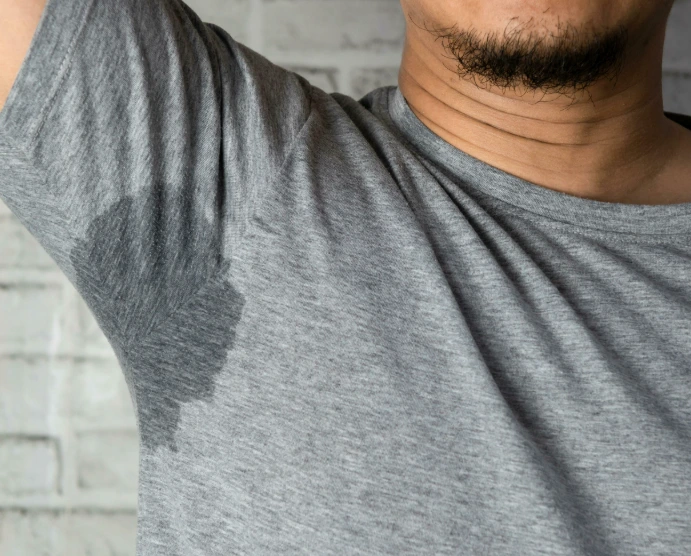
Hyperhidrosis (excessive sweating) is a condition characterized by an abnormal sweating level that isn’t caused necessarily by heat or exercise. The condition affects about 1-3% of the world population, men and women equally.
Excessive sweating can completely disappear for some people over the years, while for others, it can get worse over time.
This type of sweating often causes embarrassment, social anxiety, emotional and physical problems.
How is hyperhidrosis diagnosed?
Diagnosing hyperhidrosis involves several steps to determine the cause of excessive sweating in the palms and feet.
Firstly, a medical history is taken, including any family history of hyperhidrosis, as genetics can play a role in the condition. Next, a physical exam is performed to assess the areas of excessive sweating and to rule out any underlying medical conditions. In some cases, a starch-iodine test may be conducted, where iodine solution is applied to the sweaty areas and then starch is sprinkled over the skin. The areas that turn dark blue indicate excessive sweating.
Additionally, a test called the paper test may also be used, which involves weighing special paper before and after it is placed on the sweaty skin to measure the amount of sweat produced. These methods help doctors to accurately diagnose hyperhidrosis and develop an effective treatment plan.

7 tips for managing sweaty palms and feet
Managing sweaty palms and feet can be a challenging and embarrassing issue for many people. Fortunately, there are several coping tips that can help individuals deal with this problem.
Here are 7 tips that can help:
- Use antiperspirants: Apply an antiperspirant designed for hands and feet before bed. These products contain aluminum chloride, which helps to block sweat ducts. There are over-the-counter options as well as prescription-strength formulas if needed.
- Wear breathable footwear and socks: Choose shoes made of natural materials like leather or canvas that allow your feet to breathe. For socks, opt for moisture-wicking materials such as bamboo, wool, or special synthetic blends designed to keep moisture away from your skin.
- Wear socks. Many with hyperhidrosis experience less sweating on their feet and in general when they wear socks.
- Manage stress: Stress and anxiety can trigger sweating. Practices like yoga, meditation, deep-breathing exercises, or any stress-reducing activities can help keep your nerves calm and reduce sweating.
- Dietary adjustments: Certain foods and drinks can trigger sweating. Caffeine and spicy foods are common culprits. Reducing intake of these can help manage symptoms.
- Absorbent foot powders: Using absorbent powders on your feet can help keep them dry and reduce odor. Talcum powder or cornstarch-based powders are good options.
- Maintain good hygiene: Regularly wash your hands and feet with soap. This helps to remove bacteria.
If self-care measures aren’t effective, it might be time to consult a healthcare provider. They can offer treatments such as prescription antiperspirants, injections, oral medications, or even surgery for severe cases.
Iontophoresis: an effective treatment for hyperhidrosis
Iontophoresis is a revolutionary treatment for hyperhidrosis, a condition characterized by excessive sweating.
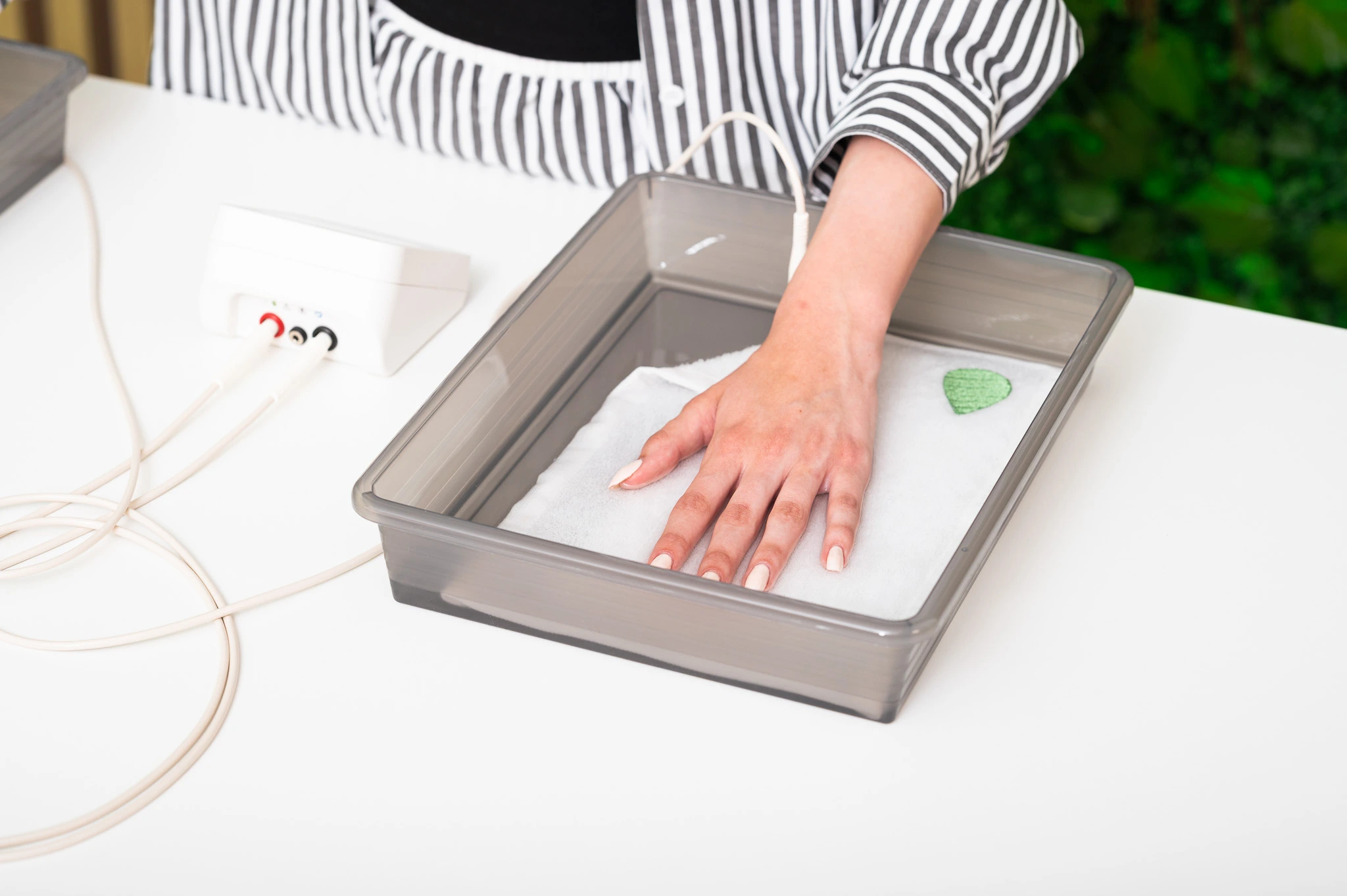
This treatment works by using a small electrical current to deliver medication or minerals, like antiperspirants, through the skin. When the electrical current is applied, it helps to block the sweat glands, reducing the amount of sweat produced. The process typically involves placing the affected areas, such as the palms or feet, in a shallow tray of water, while a gentle electrical current is passed through the water.
This treatment is considered safe and effective for managing excessive sweating and can provide long-term relief for those suffering from hyperhidrosis.
Anti sweat machine
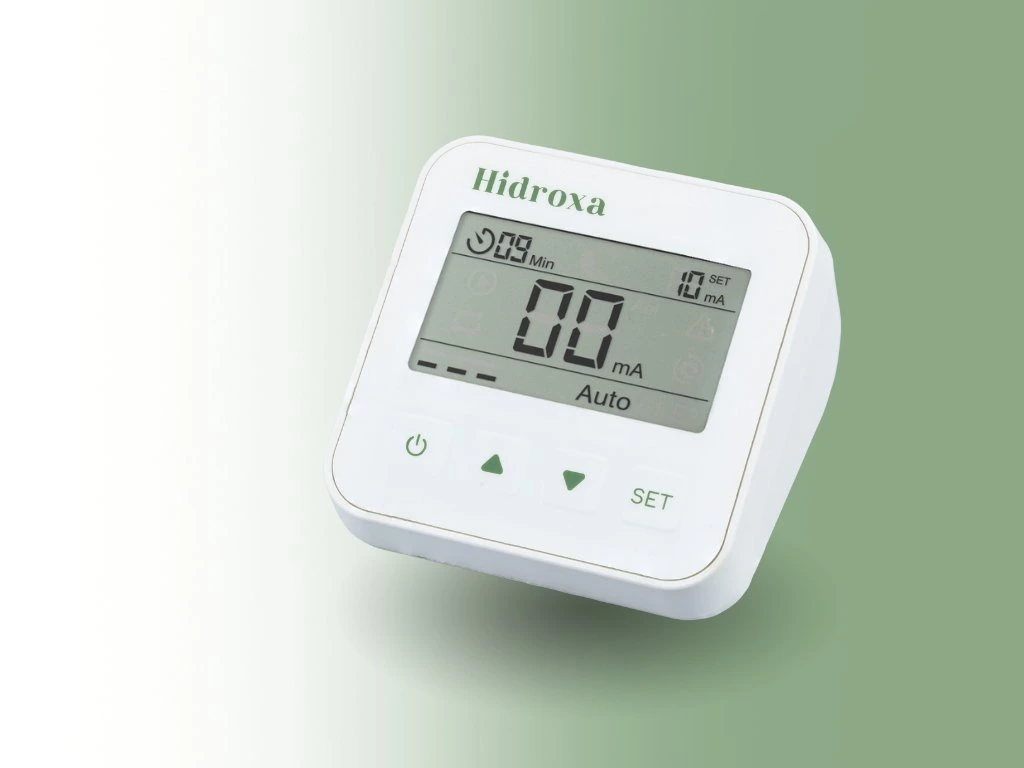
Our Hidroxa SE30 iontophoresis machine is easy to use and clinically tested for treating excessive sweating of palms, feet, face, and armpits.
Iontophoresis is a scientifically proven method that works for approximately 95% of our customers. You can reach its full effect with 12 treatments.
When to see a doctor
While lifestyle adjustments can alleviate some symptoms, it's vital to recognize when professional intervention is necessary. Signs such as persistent sweating despite lifestyle changes, sweating disrupting daily activities, or accompanying symptoms like fever or weight loss warrant medical attention. Seeking help early can prevent complications, exclude underlying causes of the sweating, and improve quality of life. Remember, you don't have to suffer alone; medical professionals are equipped to provide support and guidance.
FAQ
Is there a cure for sweaty palms and feet?
While there is no definitive cure, several treatments can manage symptoms. These range from antiperspirants and medications to more advanced options like iontophoresis (a treatment that uses electrical currents to temporarily stop sweat glands) and B. toxin injections.
How common is hyperhidrosis?
Hyperhidrosis is more common than many people realize, affecting approximately 1-3% of the global population. While it may not always be openly discussed, it's a widespread condition that can significantly impact individuals' daily lives.
Can hyperhidrosis affect children and teenagers?
Yes, hyperhidrosis can affect individuals of all ages, including children and teenagers. While it can be distressing for young people to experience excessive sweating, there are treatment options available to help manage symptoms and improve their quality of life.
Can hyperhidrosis affect other parts of the body besides the hands and feet?
Yes, while sweaty palms and feet are the most common areas affected by hyperhidrosis, the condition can also manifest in other areas such as the underarms, face, or groin. This condition, known as focal hyperhidrosis, can occur in multiple areas simultaneously or independently.
How do I find a healthcare provider who specializes in treating hyperhidrosis?
It's essential to seek out a healthcare provider who has experience and expertise in diagnosing and treating hyperhidrosis. Dermatologists, neurologists, and primary care physicians with a special interest in hyperhidrosis are good places to start. Additionally, organizations like the International Hyperhidrosis Society provide resources and directories to help individuals find healthcare providers knowledgeable about hyperhidrosis management.
Can stress management techniques help?
Absolutely. Since emotional stress can trigger sweating, techniques like yoga, meditation, and deep breathing exercises can help manage stress and reduce symptoms. This can reduce the sweating but cure the hyperhidrosis.



Chawki Mayed has submitted a review about Hidroxa
Life-Changing. No More Sweaty Hands. I’m Free.
Sweaty hands have haunted me for years. I tried wipes, creams, sprays — nothing lasted. Then I found Hidroxa.
After just 10 short sessions, I can honestly say: my palms are dry. For the first time in my adult life, I’m shaking hands with full confidence. My hands feel tight, clean, and dry — and that’s exactly what I wanted. The feeling is hard to describe… It’s like freedom in your own skin.
Thank you, Hidroxa. Your product has genuinely changed my life. I’m beyond satisfied — I’m grateful. If you’re thinking about buying this, don’t hesitate. It works. Period.
Glezzel Marrie has submitted a review about Hidroxa
I'm very grateful that this treatment exist! I am now dry both my hands and my feets. I highly recommend this to everyone who is suffering with palmar and plantar hyperhidrosis. Give it a try because this iontophoresis is truly a life saver. ❤️
Motiejus has submitted a review about Hidroxa
I had excessive sweating most of my life, hands and feet, it was embarrasing to go to somebodys house, remove shoes and wet feet and socks. Not to mention always having to dry my hand on my clothes before shaking someones hand. When I heard about iontophoresis, I gave Hidroxas machine a chance, and after 2 weeks, my life changed. No more sweaty hands or feet, except when doing something active like working out, which is normal. Best of all, I can play the piano without having a ventilator right by my hands , without getting the keys wet! Thank you so much Hidroxa ❤️